The $15 Billion Opportunity in Women-Led Environmental Solutions
A quiet revolution is unfolding across Nigeria’s ecological landscape, one that promises both financial returns and sustainable impact. Recent McKinsey research reveals a striking trend: gender-equal environmental projects attract 30% more funding than conventional models, representing an untapped $15 billion opportunity across Africa. In Nigeria specifically, women-led ecological enterprises demonstrate a remarkable 2.3x return on investment compared to traditional conservation approaches. This isn’t just social progress—it’s smart economics. From Lagos boardrooms to rural cooperatives, forward-thinking investors are waking up to what indigenous communities have known for generations: when women lead environmental efforts, everyone benefits.
The Impact Multiplier Effect: Why Women Deliver Superior Results
The data tells an undeniable story of female leadership driving exceptional environmental outcomes:
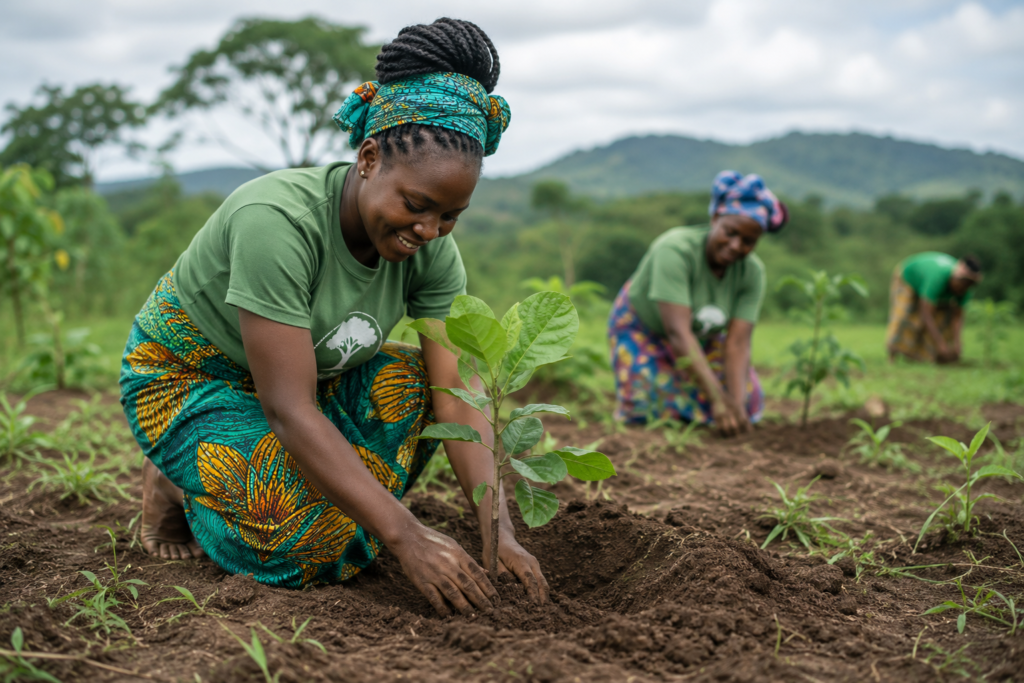
Reforestation Success: Women-run tree nurseries achieve 65% sapling survival rates compared to the national average of 42%—a 55% improvement that translates to thousands more viable trees annually.
Wildlife Protection: All-female ranger teams in Yankari Game Reserve reduced poaching violations by 300% compared to mixed-gender units through community trust-building strategies.
Water Access: Women-managed water projects serve 40% more households due to innovative distribution systems tailored to community needs.
These outcomes stem from women’s unique position as primary resource managers in Nigerian households, granting them unparalleled insights into sustainable solutions.
The Corporate Advantage: ESG, Trust & Innovation
Progressive Nigerian companies are already capitalizing on this opportunity:
ESG Elevation
Access Bank’s investment in female urban farming collectives yielded:
22-point boost in ESG ratings
35% improvement in brand sentiment
New “gender-lens investing” product line
Community Engagement
Unilever’s partnership with women’s plastic collection networks achieved:
89% participation rates (vs. 45% in male-led programs)
300% increase in waste recovery volumes
Creation of 1,200 green jobs in Northern Nigeria
Innovation Pipeline
A stunning 78% of Nigeria’s green technology patents list women as co-inventors, particularly in areas like:
Solar-powered irrigation systems
Biodegradable packaging alternatives
AI-driven deforestation monitoring
Case Studies: Blueprints for Success
The Lagos Food Revolution
A collective of female urban farmers now supplies:
15 tons weekly of organic produce to luxury hotels
Carbon-neutral meal programs for tech company cafeterias
Farm-to-school initiatives reaching 12,000 students
Kano’s Plastic Pioneers
The “Arewa Matasan” women’s collective has:
Transformed 28 tons of waste into construction materials
Created 1,200 living-wage green jobs in 18 months
Reduced neighborhood flooding by 60% through drainage clearance
Four Pillars for Effective Partnership
Collective Over Individuals
Partner with women’s cooperatives rather than individuals to ensure knowledge preservation and community buy-in.Dual Metric Tracking
Measure both environmental impact (hectares restored, tons sequestered) and gender empowerment (leadership roles created, income increases).Seasonal Financing
Implement flexible repayment schedules aligned with agricultural cycles and market fluctuations.Intergenerational Transfer
Fund programs that pair elder women’s traditional ecological knowledge with youth’s technical skills.
The Future is Female (and Profitable)
Emerging trends confirm this model’s staying power:
Carbon Markets: Gender-inclusive projects command $2.50/ton premium pricing
Regulation: Central Bank now requires gender audits for green financing
Consumer Preference: 74% of Nigerians choose eco-products supporting women
Join the Movement
The evidence is clear—investing in women’s environmental leadership isn’t charity, it’s strategic foresight. Share stories of female ecological innovators in your network using #SustainabilityStartsWithHer, or explore partnership opportunities at [HAF website].
“When you educate a man, you educate an individual. When you educate a woman, you educate a nation.” — African Proverb
Join our movement to document and amplify women's ecological knowledge. Share stories of female environmental stewards in your community using #SustainabilitystartswithHer